

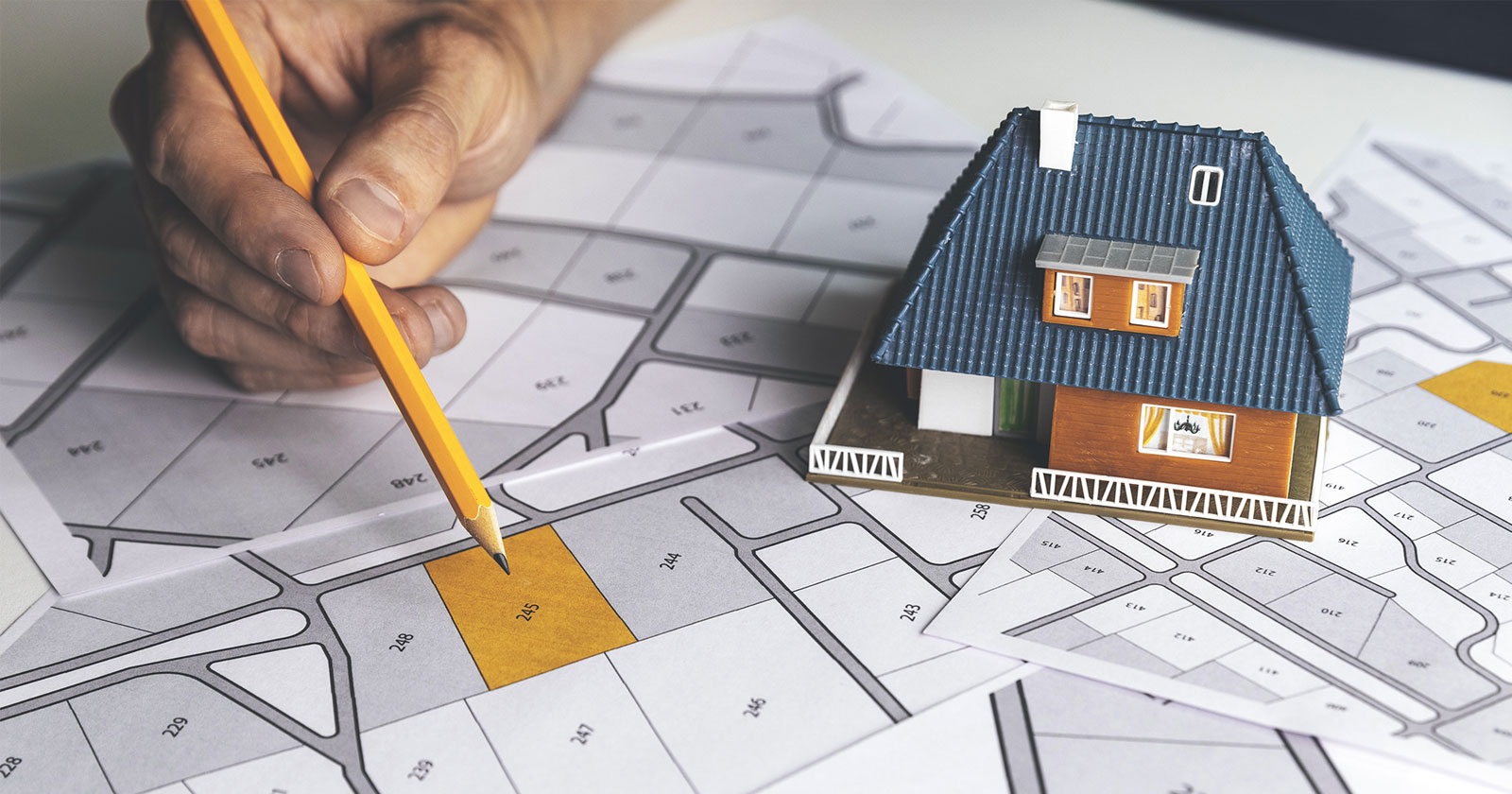
Building from the ground up can be one of the most exciting—and profitable—paths in real estate investing. But before the first shovel hits the dirt, you have to secure the foundation for your project: the land itself.
Buying land for investment requires a different strategy than purchasing an existing property. You’re not just buying a structure—you’re buying location potential, development possibilities, and long-term value.
At CIVIC, we work with land development investors at every stage, from the first parcel search to project completion. This guide will walk you through the steps to buying land for investment ground-up construction, and show you how we can help finance your acquisition and build.
Why Consider Land as an Investment?
Land offers flexibility and opportunity, especially for investors willing to take on development projects.
Potential benefits include:
- Control over design – Create the exact property type your market demands.
- Strategic appreciation – Well-located land can grow in value over time, even before construction begins.
- Rental or sale potential – Build-to-sell or build-to-rent strategies can both deliver strong ROI.
But there are also risks: Market shifts, permitting delays, and unforeseen site challenges can impact timelines and profitability. That’s why preparation and due diligence are critical.
Step 1: Decide on Your Investment Strategy
Before you search for land, determine your exit strategy:
- Build-to-Sell – Create a market-ready property to sell at a profit.
- Build-to-Rent – Develop a property that generates long-term cash flow.
- Speculative Holding – Purchase land in an area expected to appreciate, with plans to develop later.
Your strategy will guide where to buy, what kind of land to target, and how to structure your financing.
Step 2: Choose the Right Location
The old saying in real estate still applies: location is everything.
- Look for areas with strong job growth, population trends, and infrastructure investment.
- Study zoning laws to ensure your planned construction is allowed.
- Consider the surrounding property values—your future building should fit the market. For instance, is a luxury build or standard home more suitable?
If you’re not sure where to start, work with a local agent who understands land investment opportunities in your target region.
Step 3: Understand Zoning and Land Use
Zoning laws define how the land can be used—single-family homes, multi-family units, commercial space, etc.
- Verify zoning compatibility before you make an offer.
- Check whether rezoning is possible if needed.
- Review any restrictions, such as minimum lot sizes or building height limits.
Skipping this step can lead to costly surprises.
Step 4: Evaluate the Land Itself
The right location doesn’t guarantee the land is build-ready. Have professionals evaluate:
- Topography – Steep slopes or rocky soil can increase building costs.
- Utilities – Is there access to water, sewer, electricity, and internet?
- Environmental factors – Flood zones, wetlands, or soil contamination can require remediation.
- Access – Legal road access is essential.
Step 5: Negotiate the Purchase
Whether you’re buying a plot from an owner directly or through an agent, negotiate terms that give you time for due diligence.
- Include contingencies for zoning approval, financing, and inspections.
- In some cases, you can secure off-market deals by approaching landowners directly.
Step 6: Secure Your Financing
Here’s where CIVIC can make a big difference for land development investors.
We can finance land acquisition:
- Up to 60% LTV without permits
- Once permits are issued for your build project, you can access an additional 15% LTV (for up to 75% total LTV) in catch-up draws.
- Land must be in build-ready location (with access to utilities)
This means you don’t have to wait for permits to start moving forward—you can secure the land first, then increase your funding when the build is approved.
For construction, our Ground Up Construction Loan provides the capital to bring your project to life.
Step 7: Plan Your Build
Once you own the land, the real work begins:
- Finalize architectural plans and engineering studies.
- Apply for building permits.
- Line up contractors and suppliers.
- Create a realistic timeline and budget, including contingencies.
Having your financing and permits aligned before breaking ground helps prevent costly delays.
Step 8: Weigh the Pros and Cons of Land Investment
Like all investments, buying land for investment has advantages and risks:
Pros:
- Freedom to create a custom property
- Potential for high ROI if market conditions are favorable
- Ability to add value through development
Cons:
- Longer timelines than buying an existing property
- More steps (permits, zoning, site prep) before generating income
- Carrying costs (taxes, insurance) during development
Tips for Making Money on Vacant Land
- Buy in emerging markets before prices peak.
- Add value quickly—fast-track permitting and site prep to shorten timelines.
- Consider multi-use potential if zoning allows.
- Network with local builders—partnering can reduce your capital outlay and speed up development.
Due Diligence Checklist Before Buying Land for Investment
Before you commit to a land purchase, it’s important to run through a thorough due diligence process. Skipping these steps can lead to expensive surprises or even stalled projects.
1. Verify Legal Ownership and Boundaries
- Order a title search to confirm the seller has clear ownership and there are no liens.
- Get a professional survey to define exact property boundaries and identify potential disputes.
2. Understand All Costs
Owning and developing land comes with more than just the purchase price:
- Annual property taxes
- Insurance premiums
- Utility connection fees
- Permit and impact fees from the local municipality
Being aware of these costs helps you create a realistic budget and financing plan.
3. Check Access and Easements
Make sure your land has legal road access—a surprising number of parcels do not. Easements (such as utility or neighbor access rights) can affect how and where you build, so they should be reviewed early.
4. Investigate Soil and Environmental Conditions
- Soil testing reveals whether the ground can support your planned structure.
- Check for environmental issues like wetlands, contamination, or flood zones, which can require mitigation and delay permits.
5. Review Market Conditions
Study local supply, demand, and pricing trends. Ask yourself:
- Is the area growing or shrinking in population?
- Are new developments increasing property values?
- Does your build plan match current market needs?
6. Confirm Utility Availability
If utilities aren’t already connected, find out the cost and timeline for bringing water, sewer, power, and internet to the site. This can significantly affect your construction budget and schedule.
Final Takeaway
Investing in land for ground-up construction can be a powerful way to build wealth, but it requires careful planning and the right financing. From finding the ideal location to securing permits and starting the build, every step matters.
At CIVIC, we make it easier by offering land acquisition loans and construction financing designed for investors. With up to 75% LTV available once your permits are in place, you can move from concept to construction with confidence.
Explore our Ground Up Construction Loan options or contact us to learn more about building from the ground up.
Authored by Bianca Montalvo
SEO copywriter and strategist